General
Gustav-Falke Primary School’s Journey to Becoming a Singing School
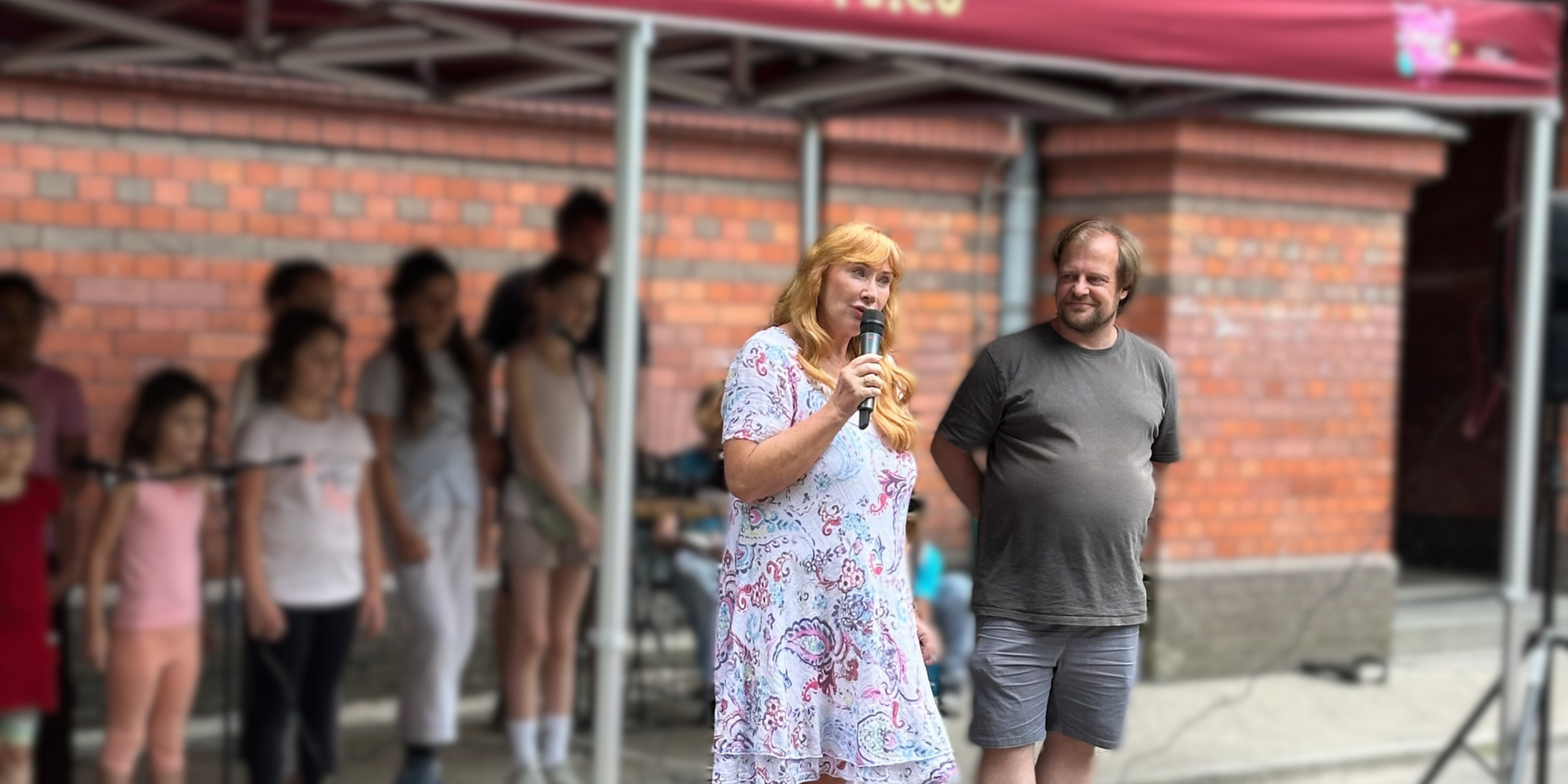
Choir performance at Gustav-Falke Primary School’s summer fête, hosted by headteacher Sabine Gryczke, 2026
Gustav-Falke Primary School shows how participation in SING! can lead to a lasting culture of singing in everyday school life – with established structures, enthusiastic children, a transformed staff team and a clearly visible musical culture.
How SING! helped create a singing school
When Gustav-Falke Primary School joined the SING! education programme in 2018, it was above all a strategic decision to bring more – and better – music into everyday school life. Headteacher Sabine Gryczke recalls: »It was an absolutely fantastic opportunity. Not only did the children benefit from significantly improved music lessons; it was also linked to professional development for music teachers.«
Teacher Stephanie Aschenbrandt describes the impact of the training for teachers and educational staff: »It was a brilliant framework, because during that hour of professional development we sang together and were prepared to teach it to the children ourselves. And, to be honest, it was simply enormous fun to sing together.« From the outset, the school chose to involve all nine classes in the early years phase at the time. Singing was not intended to be an exclusive additional activity, but part of the school’s shared identity.
Singing as a permanent part of school life
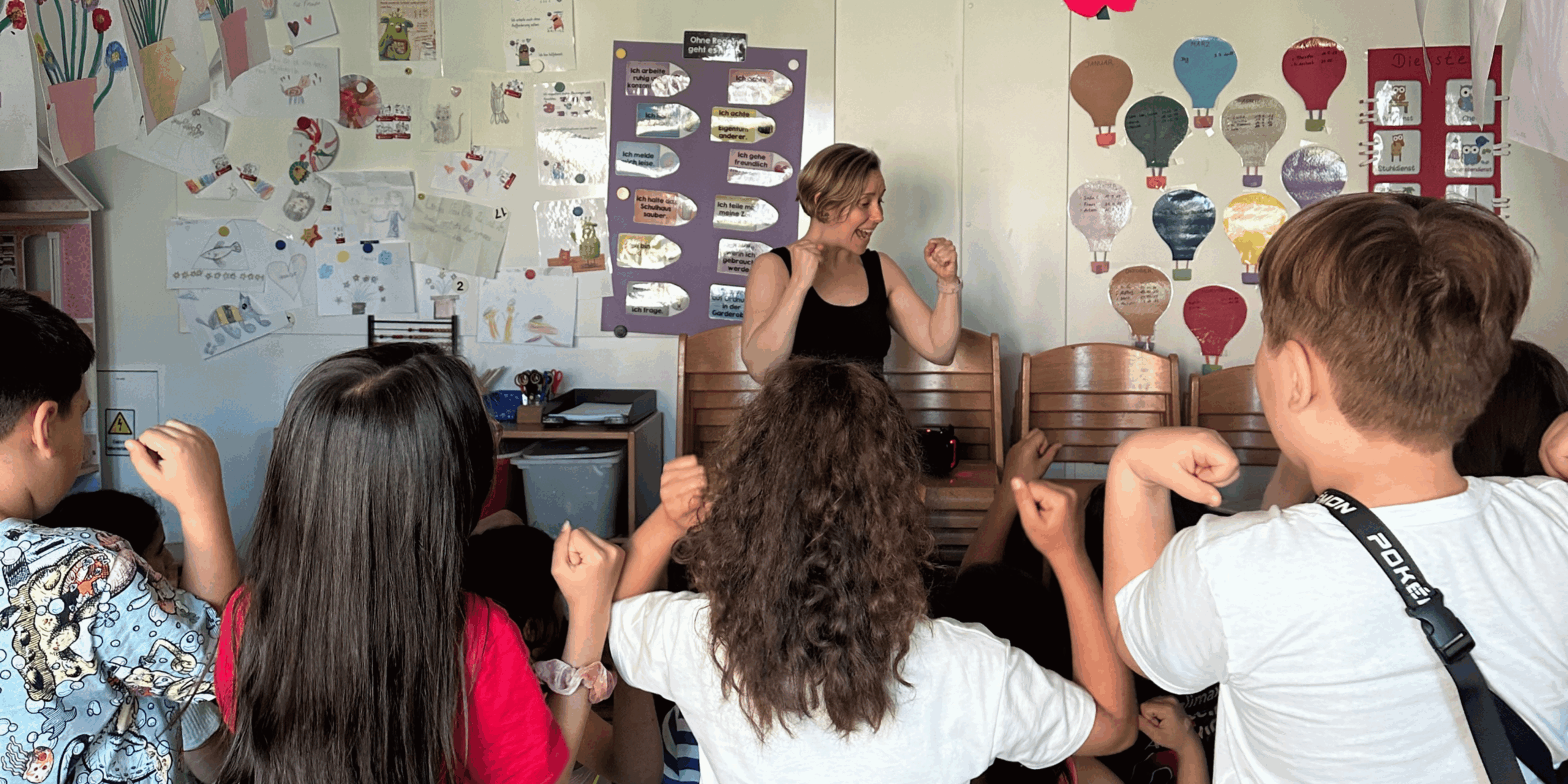
Rehearsal for a performance at ATZE Musiktheater, 2026
Since SING! ended as a project, Gustav-Falke Primary School has developed a reliable system that anchors singing in its weekly routine. In partnership with the Fanny Hensel Music School, two choir teachers now visit all early years and mixed-age learning group classes every Monday. Aschenbrandt explains: »Two singing teachers now come to us every Monday. They spend 20 minutes in each class, and the class teachers are there too. We learn alongside the children.«
Crucially, the school’s own teachers remain actively involved. The choir teachers introduce the songs together with the children, while class teachers revisit and develop them further in regular music lessons and other subjects. This creates a cycle: expert input from outside, consistent implementation in everyday school life, and a growing repertoire that the school brings to life time and again in concerts, celebrations and performances.
»I think the programme has shifted the school’s overall focus much more strongly towards singing. It has gained a different significance, a different quality and, ultimately, a different visibility,« says Gryczke. The programme ensures that singing and music remain present in daily school life and regularly become visible to the wider public – in concerts, performances and shared events.
Highlights throughout the school year
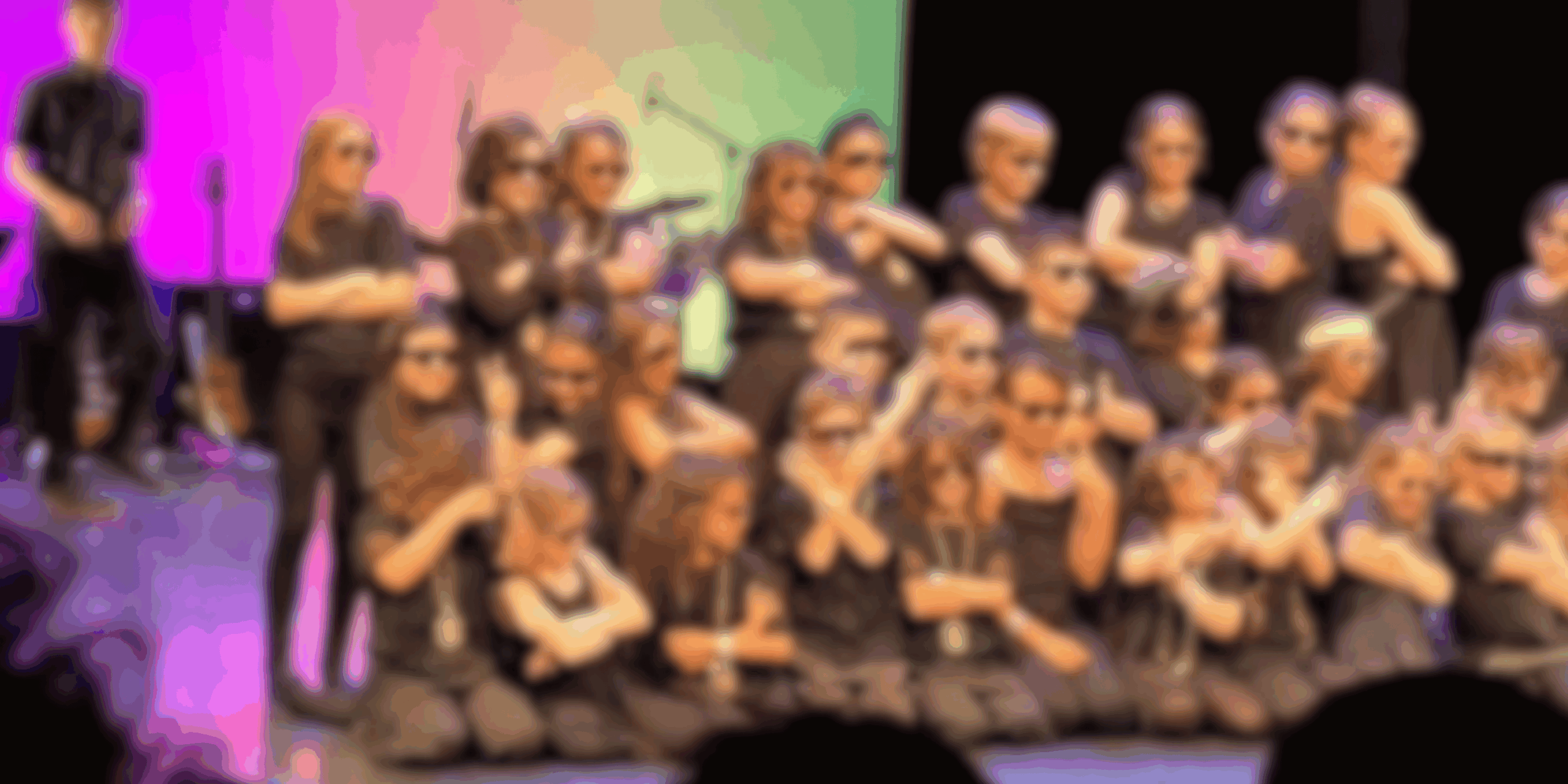
Dress rehearsal at ATZE Musiktheater, 2026
The school has not only integrated singing into its teaching, but has also established regular musical highlights throughout the year. One important occasion is the Christmas concert. Singing plays a central role in the celebration, which has become an annual highlight for the whole school community.
Taking part in the Liederbörse at the Berlin Philharmonie is especially formative, complemented by performances at ATZE Musiktheater. Early years and mixed-age learning group classes take turns each year, so that every class has the opportunity over time to take part in a major performance and experience the moment of appearing on a large stage. »Every child who has stood on a stage has faced a personal fear, overcome it and then felt that wonderful sense of: I can do this. That is important for children in every respect, but especially for those who may not find it so easy to experience success in other areas,« says Gryczke.
For many children and families, this is their first encounter with a professional setting and a major concert hall. Aschenbrandt says: »I felt that it opened a door for many parents and families – to a world they might otherwise never have entered. Whether it is singing in different languages or parents going to the Philharmonie for the first time and saying: it was actually really lovely.«
A staff team that sings
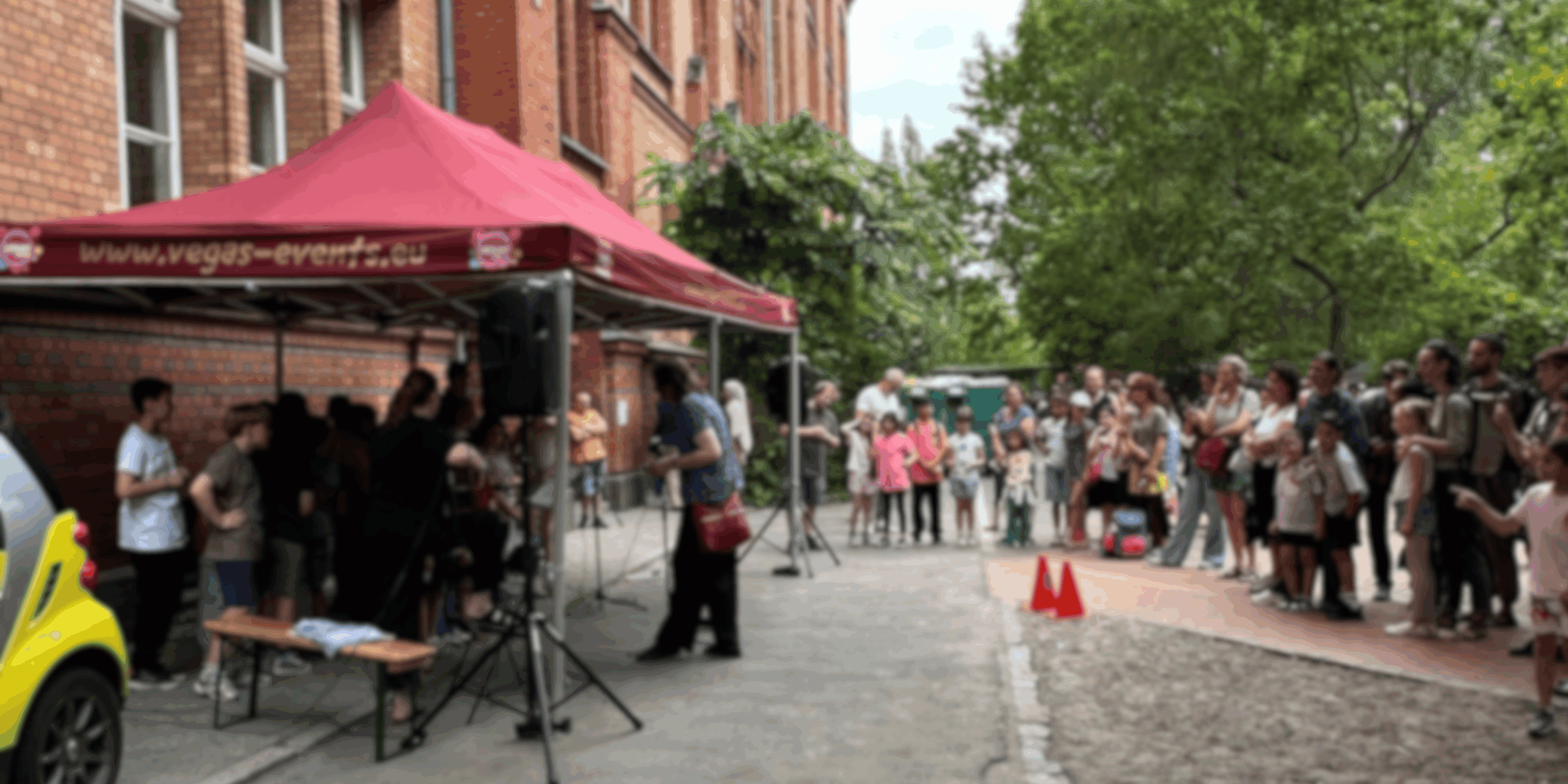
Choir performance at Gustav-Falke Primary School’s summer fête, 2026
The success story of Gustav-Falke Primary School is also the story of its staff team. At first, the SING! training sessions were unfamiliar to class teachers. Gryczke recalls the initial response: some teachers were sceptical when they heard that they would be meeting regularly to sing, and they found the unfamiliar situation challenging.
However, that uncertainty soon changed: »It did not take long for that attitude to shift. The initial scepticism turned into genuine enjoyment, and colleagues were very happy to take part. Today, not only can everyone sing much better – they enjoy it too. And that is what matters.« Singing is now a natural part of teachers’ educational toolkit – not only in music lessons, but also in short movement breaks and transitions during the school day.
A singing school opens doors
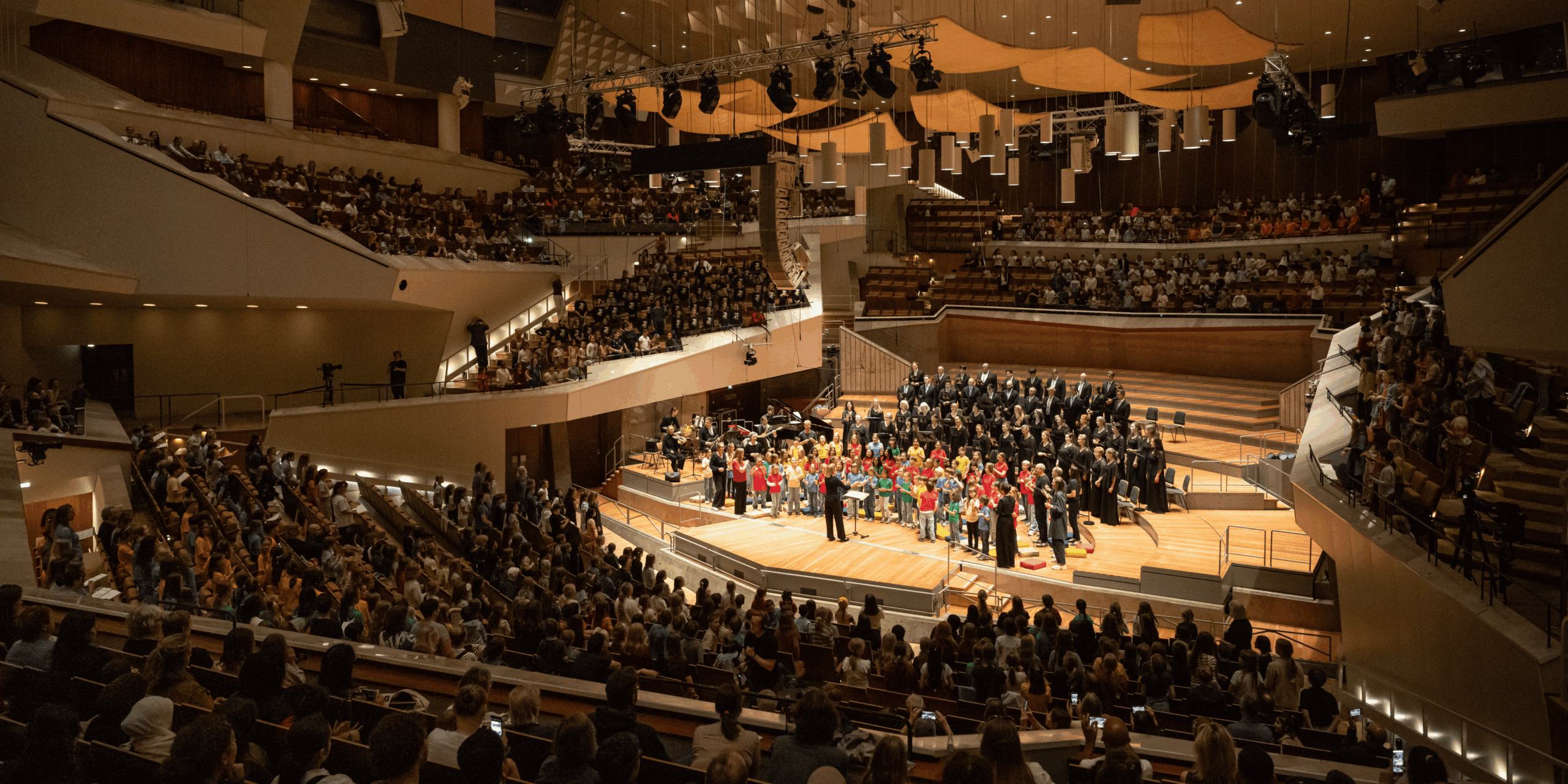
Liederbörse for primary schools in the Philharmonie’s Main Auditorium, 2026
Through SING!, the school experiences not only musical development but also greater cultural openness. When children sing songs in different languages, for example, it sparks curiosity about other languages and cultures. Parents who may never previously have visited the Philharmonie experience both the concert hall and the Rundfunkchor Berlin as welcoming, accessible places.
The enthusiasm for music also continues to grow within the school. Building on its experience with SING!, the school has introduced additional activities, including dance projects with Flying Steps, and music is becoming an ever more prominent part of school life. Choir work, musicals with older pupils, and performances at school celebrations and welcome events for new pupils all strengthen the school’s musical identity.
In the year of SING!’s 15th anniversary, Gustav-Falke Primary School stands as an example of a school that has understood SING! as the starting point for sustainable school development. What began with initial participation has become a school in which singing is an everyday part of life, children regularly experience performing for an audience, and music has become an indispensable source of education and self-worth.
Gryczke emphasises the importance of the programme for children and their life stories: »I believe our children will remember these performances, because they are truly something special in their lives […] – and that in itself is self-worth.«