Interviews
A Word With Justus Barleben (2020)
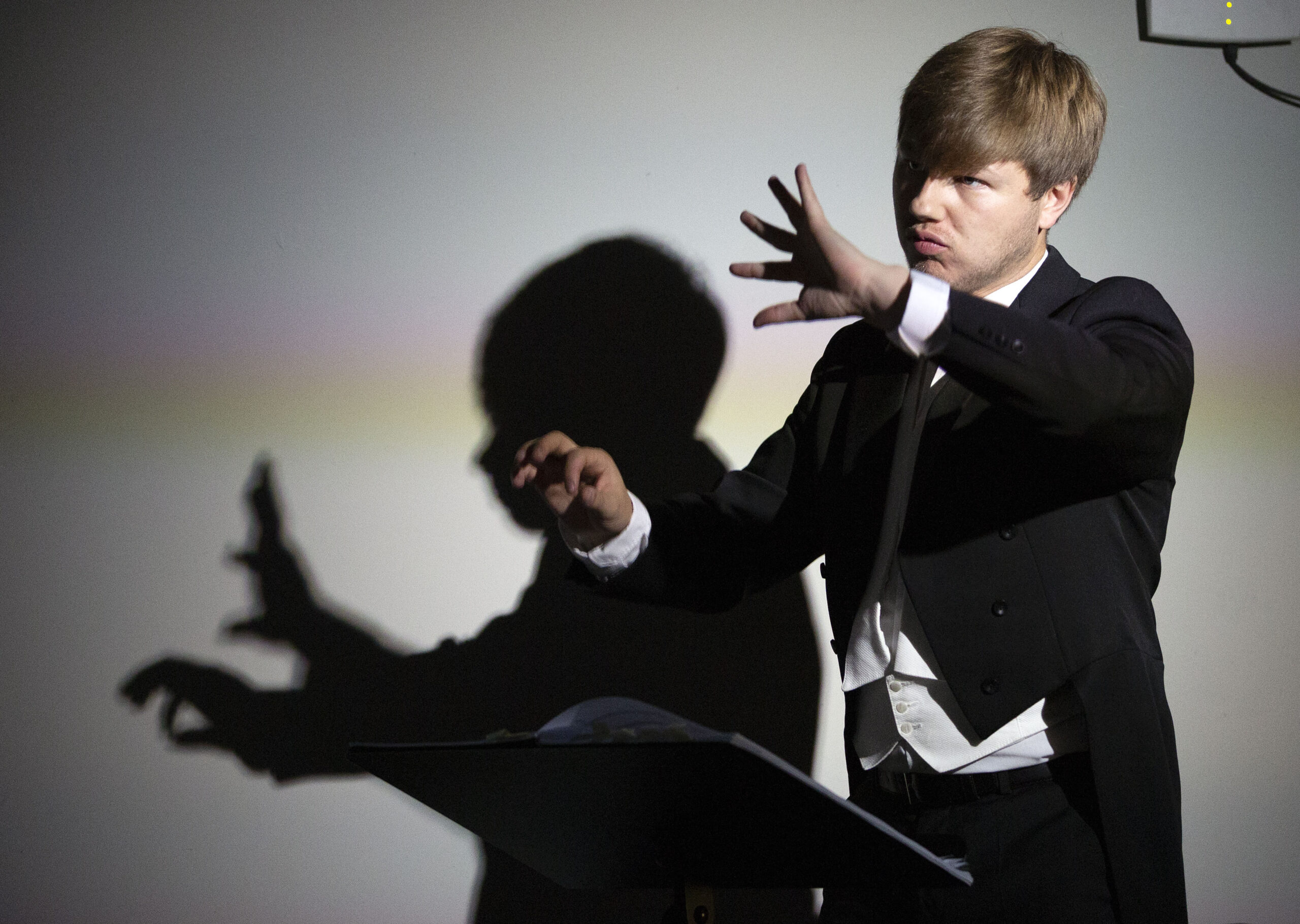
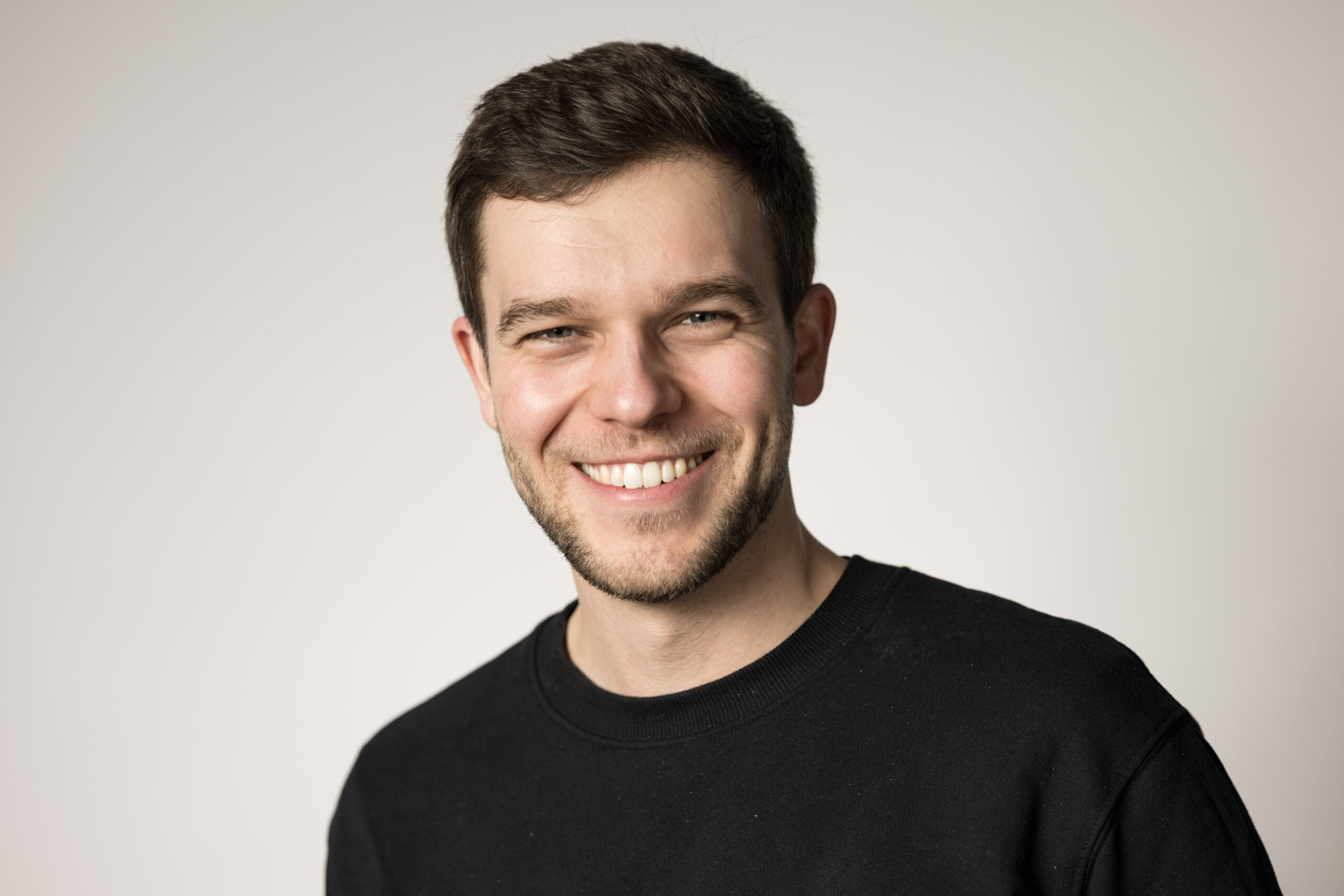
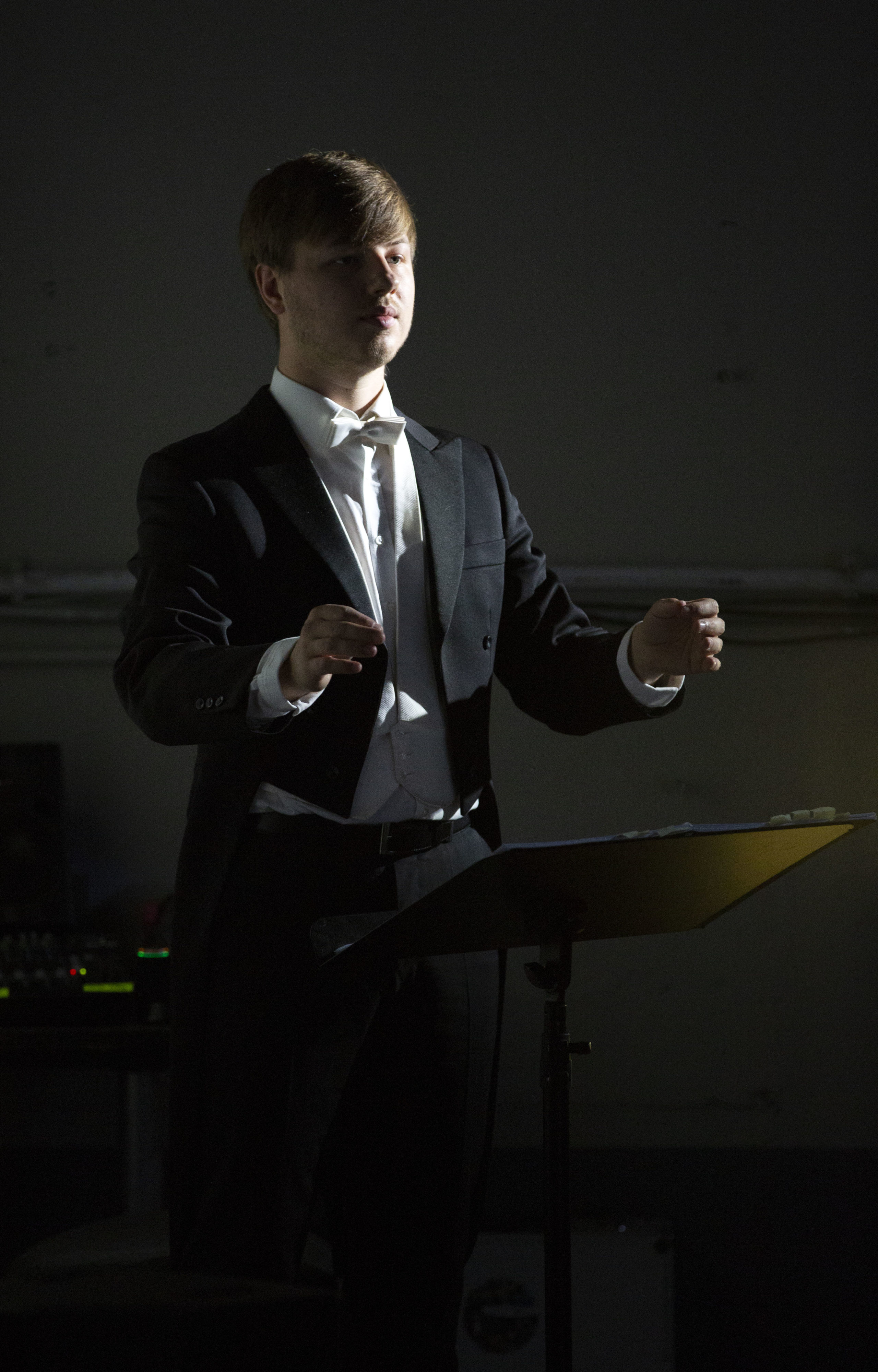
Justus Barleben has been serving as the assistant to principal conductor Gijs Leenaars at the Rundfunkchor Berlin since the beginning of the 2020/21 season. Alongside his role as the artistic director of a vocal ensemble and his international concert tours, he has also contributed to institutions such as the Kammeroper Rheinsberg and the Schauspielhaus Hannover. Since 2019, he has also been a lecturer in choral conducting at the Landesmusikrat Niedersachsen and the Hochschule für Musik Detmold.
You began your role as assistant to the principal conductor of the Rundfunkchor Berlin in the 2020/21 season. How was the start of your journey?
As you can imagine, my start was quite unconventional due to the challenging times we’re living through. The choir was on short-time working, which meant regular rehearsals weren’t possible. At the end of August, I was tuning wine glasses in the Rundfunkchor’s lounge for the choir to play. This was followed by the highly complex transdisciplinary project »THE WORLD TO COME«, which involved a lot of work on my part. It was a challenging start, but I’ve settled in very well now. Despite the difficult circumstances, I was warmly welcomed by everyone, and I really appreciate that openness.
What impression did you have of the choir before joining, and has that perception changed or been confirmed during your time with them?
Although I had never heard the Rundfunkchor Berlin live before joining, the choir had always held great significance for me. I had watched many of their performances on streaming platforms like the Digital Concert Hall. I perceived the choir as an exceptional and internationally renowned ensemble. I was particularly impressed by their choral-symphonic interpretations of the great 19th- and 20th-century works, as well as their innovative projects, such as »human requiem« or the staged performances of Bach’s Passions. These projects are magnificent, and in my view, every professional choir should explore such pioneering work, maintaining high artistic standards. The Rundfunkchor Berlin excels in this area, and my admiration for them has only grown.
I am always in awe when I hear the choir live during rehearsals—it’s a completely different experience compared to digital performances. The Rundfunkchor has an exceptional tonal profile, capable of producing incredible musical effects, from delicate pianissimi to powerful fortissimi, thanks to its large ensemble. When all 64 singers pour their hearts into the music, it creates truly astonishing soundscapes.
Gallery
THE WORLD TO COME Eine Berliner Festmesse nach Ludwig van Beethovens ÈMissa solemnisÇ Birke J. Bertelsmeier Partitur Colin Self (mit Justin Wong) Mohammad Reza Mortazavi Arr. Lea Fink Moor Mother Planningtorock Iwona Sobotka Sopran Jakub Sawicki Orgel Ivan Cheng Performance Rundfunkchor Berlin Rundfunk-Sinfonieorchester Berlin Gijs Leenaars Dirigent Tilman Hecker Konzept und Szene Dominikus Mller Dramaturgie John Torres Licht Jan Assmann Wissenschaftliche Begleitung Justus Barleben Dirigent Foyer Franziska Kuba Dirigentin SchwuZ Salvatore Percacciolo Dirigent Konzertmuschel
THE WORLD TO COME Eine Berliner Festmesse nach Ludwig van Beethovens ÈMissa solemnisÇ Birke J. Bertelsmeier Partitur Colin Self (mit Justin Wong) Mohammad Reza Mortazavi Arr. Lea Fink Moor Mother Planningtorock Iwona Sobotka Sopran Jakub Sawicki Orgel Ivan Cheng Performance Rundfunkchor Berlin Rundfunk-Sinfonieorchester Berlin Gijs Leenaars Dirigent Tilman Hecker Konzept und Szene Dominikus Mller Dramaturgie John Torres Licht Jan Assmann Wissenschaftliche Begleitung Justus Barleben Dirigent Foyer Franziska Kuba Dirigentin SchwuZ Salvatore Percacciolo Dirigent Konzertmuschel
THE WORLD TO COME Eine Berliner Festmesse nach Ludwig van Beethovens »Missa solemnis« Birke J. Bertelsmeier Partitur Colin Self (mit Justin Wong) Mohammad Reza Mortazavi Arr. Lea Fink Moor Mother Planningtorock Iwona Sobotka Sopran Jakub Sawicki Orgel Ivan Cheng Performance Rundfunkchor Berlin Rundfunk-Sinfonieorchester Berlin Gijs Leenaars Dirigent Tilman Hecker Konzept und Szene Dominikus Müller Dramaturgie John Torres Licht Jan Assmann Wissenschaftliche Begleitung Justus Barleben Dirigent Foyer Franziska Kuba Dirigentin SchwuZ Salvatore Percacciolo Dirigent Konzertmuschel
THE WORLD TO COME Eine Berliner Festmesse nach Ludwig van Beethovens ÈMissa solemnisÇ Birke J. Bertelsmeier Partitur Colin Self (mit Justin Wong) Mohammad Reza Mortazavi Arr. Lea Fink Moor Mother Planningtorock Iwona Sobotka Sopran Jakub Sawicki Orgel Ivan Cheng Performance Rundfunkchor Berlin Rundfunk-Sinfonieorchester Berlin Gijs Leenaars Dirigent Tilman Hecker Konzept und Szene Dominikus Mller Dramaturgie John Torres Licht Jan Assmann Wissenschaftliche Begleitung Justus Barleben Dirigent Foyer Franziska Kuba Dirigentin SchwuZ Salvatore Percacciolo Dirigent Konzertmuschel
THE WORLD TO COME Eine Berliner Festmesse nach Ludwig van Beethovens ÈMissa solemnisÇ Birke J. Bertelsmeier Partitur Colin Self (mit Justin Wong) Mohammad Reza Mortazavi Arr. Lea Fink Moor Mother Planningtorock Iwona Sobotka Sopran Jakub Sawicki Orgel Ivan Cheng Performance Rundfunkchor Berlin Rundfunk-Sinfonieorchester Berlin Gijs Leenaars Dirigent Tilman Hecker Konzept und Szene Dominikus Mller Dramaturgie John Torres Licht Jan Assmann Wissenschaftliche Begleitung Justus Barleben Dirigent Foyer Franziska Kuba Dirigentin SchwuZ Salvatore Percacciolo Dirigent Konzertmuschel
What are the main duties of an assistant to the principal conductor?
The role of an assistant conductor can vary greatly depending on the institution and the principal conductor. Fortunately, my role at the Rundfunkchor Berlin comes with a lot of responsibility and creative freedom. I lead sectional and follow-up rehearsals, and I’m also entrusted with conducting independent choir rehearsals. Working with the choir regularly is fantastic—there’s so much to learn each day.
Another unique aspect of my role is overseeing the Rundfunkchor’s campus, including its sustainable Schola and Academy programs. I’m responsible for the artistic direction of these initiatives: organizing and conducting auditions, selecting an a cappella repertoire with the Schola, and developing a tailored training program for the Academy students that reflects the Rundfunkchor’s artistic standards.
For Gijs Leenaars, I serve as a second pair of ears, especially during recording sessions. Our constant artistic exchange is something I truly value. I also try to support him with the organizational aspects of his role, as the demands of conducting are so varied and time-consuming. It’s easy for administrative work to overshadow musical preparation, so I try to alleviate as much of that burden as possible—whether by reviewing sheet music or creating seating plans and schedules. I focus on organizational tasks that require artistic judgment, like assessing the acoustics of concert halls and considering the musical preferences that influence choir seating arrangements for rehearsals and performances.
What’s it like working with the choir, and what do you appreciate most about them?
Working with the choir is an absolute pleasure. The singers are incredibly attentive, engaged, and focused during rehearsals. Given the size of the group, it’s not something I take for granted. Despite their high level of professionalism, the singers remain approachable and not at all distant or tense. I deeply appreciate this balance between artistic and professional rigor and the warmth of human connection. It creates an ideal environment for intensive music-making, where the choir’s sound can unfold naturally and I, as a conductor, can let go.
I have the greatest respect for the task of guiding the choir musically. There’s a palpable desire among the singers to combine their musical forces, and their artistic drive is incredibly strong. This makes the challenge of conducting them a rewarding one.
You sing in a vocal ensemble yourself. Does this give you a unique perspective on the work of singers?
Singing has fostered my love for vocal music, which is something that deeply fulfills me. For me, there is nothing more beautiful than working with human voices. The range of expressive possibilities is even broader than with instruments, and every voice and every choir is unique, with endless nuances to explore. This excites me immensely—there’s truly nothing more fulfilling than conducting a choir.
From my own singing experience, I’ve learned to be especially sensitive to the technical aspects of vocal production. I always aim to provide singers with a solid foundation, which immediately impacts aspects like their breath control. For me, musical goals should always align with what’s vocally feasible. This philosophy is central to my rehearsal techniques and musical interpretations.
In the transdisciplinary concert installation »THE WORLD TO COME«, contemporary music trends were fused with Beethoven’s »Missa solemnis«. What was that like for you as a conductor?
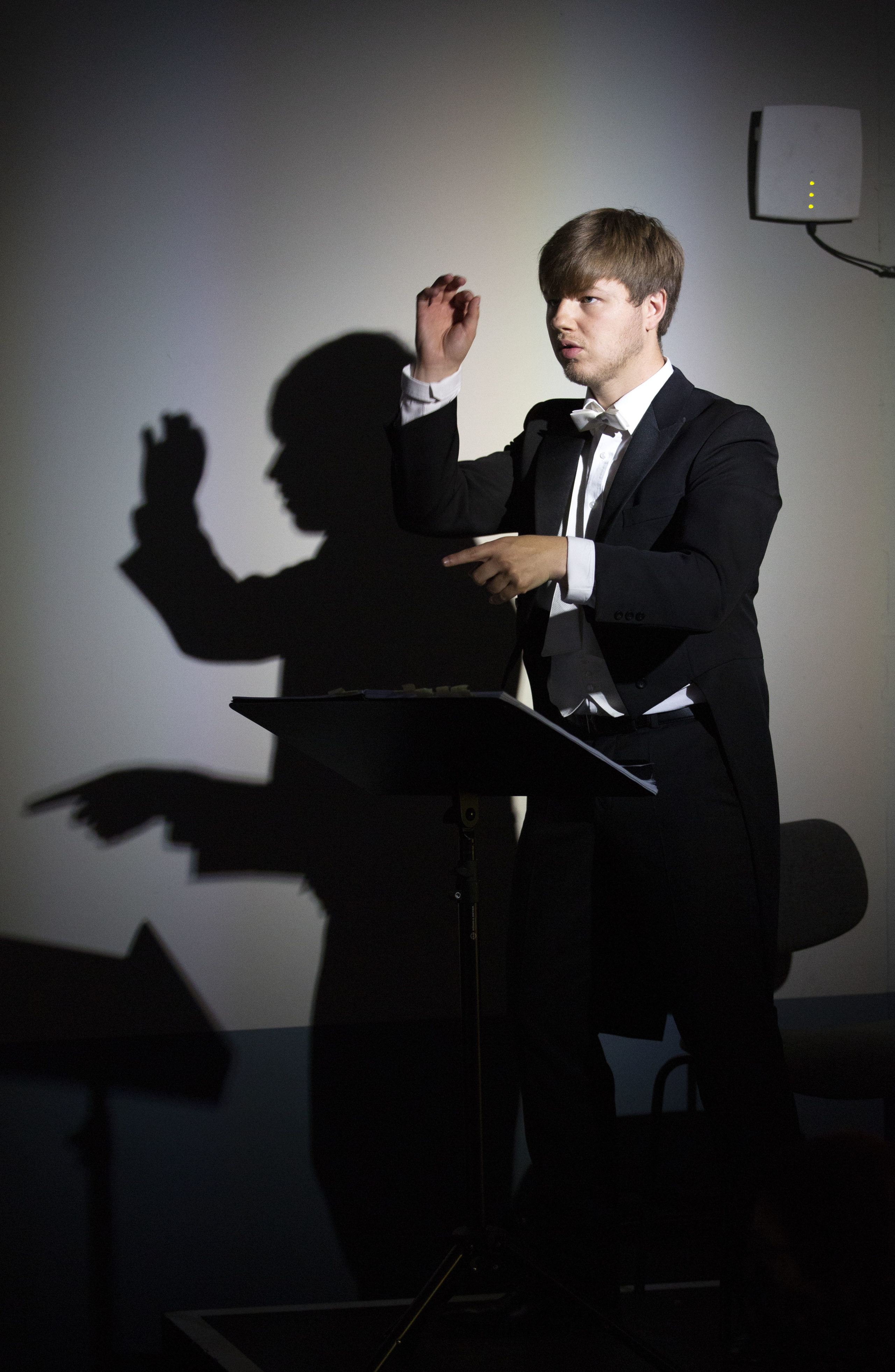
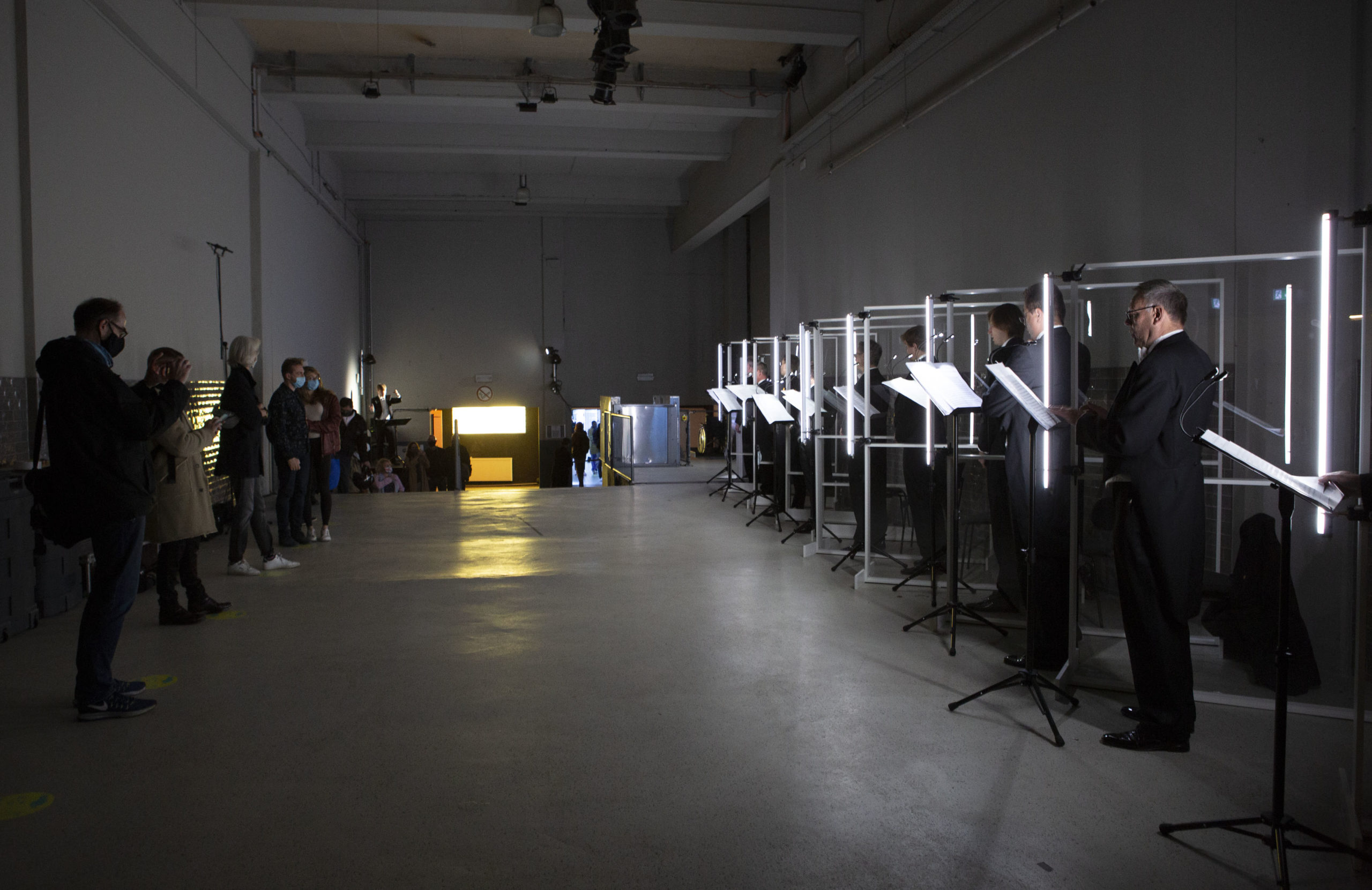
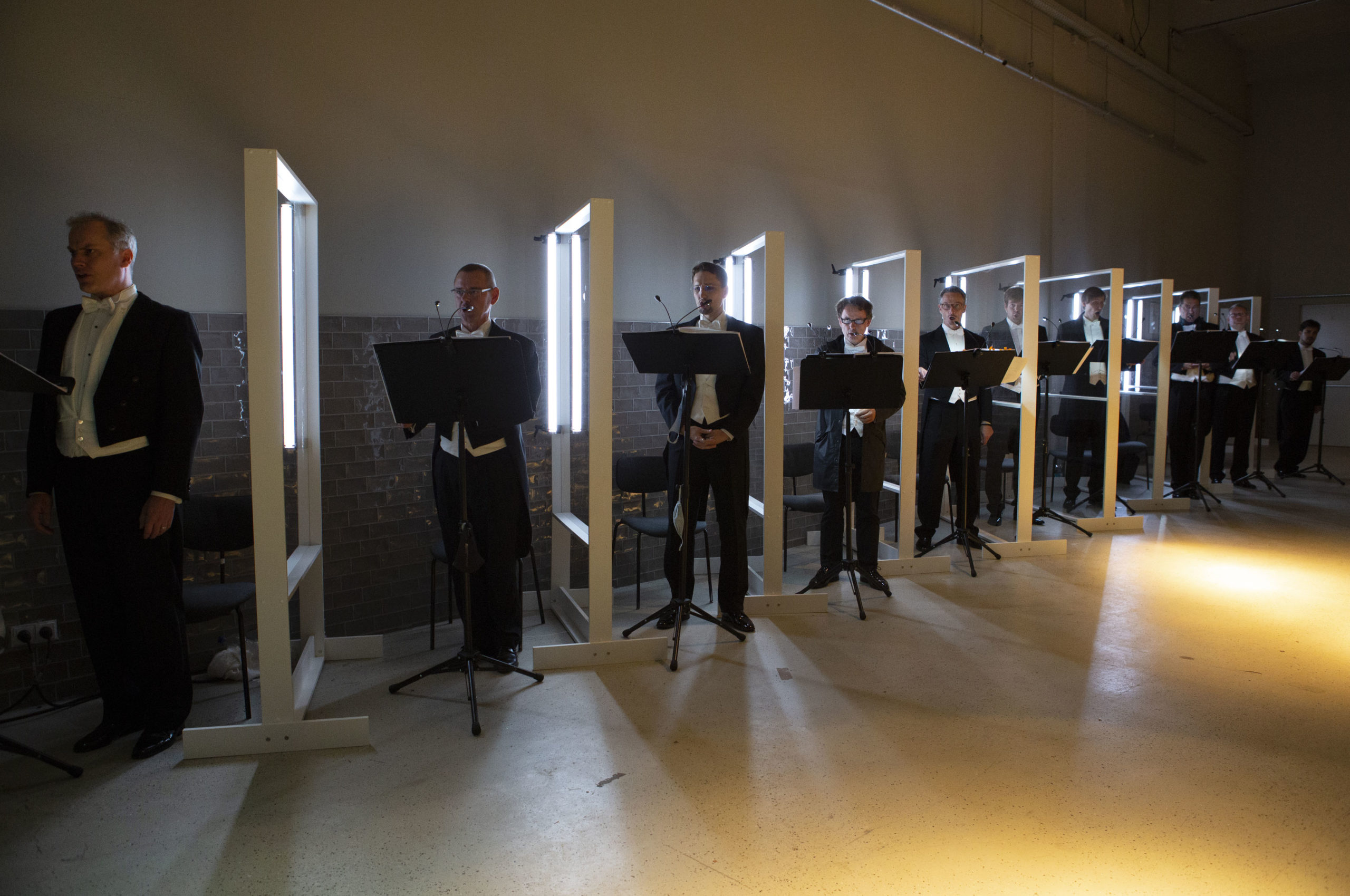
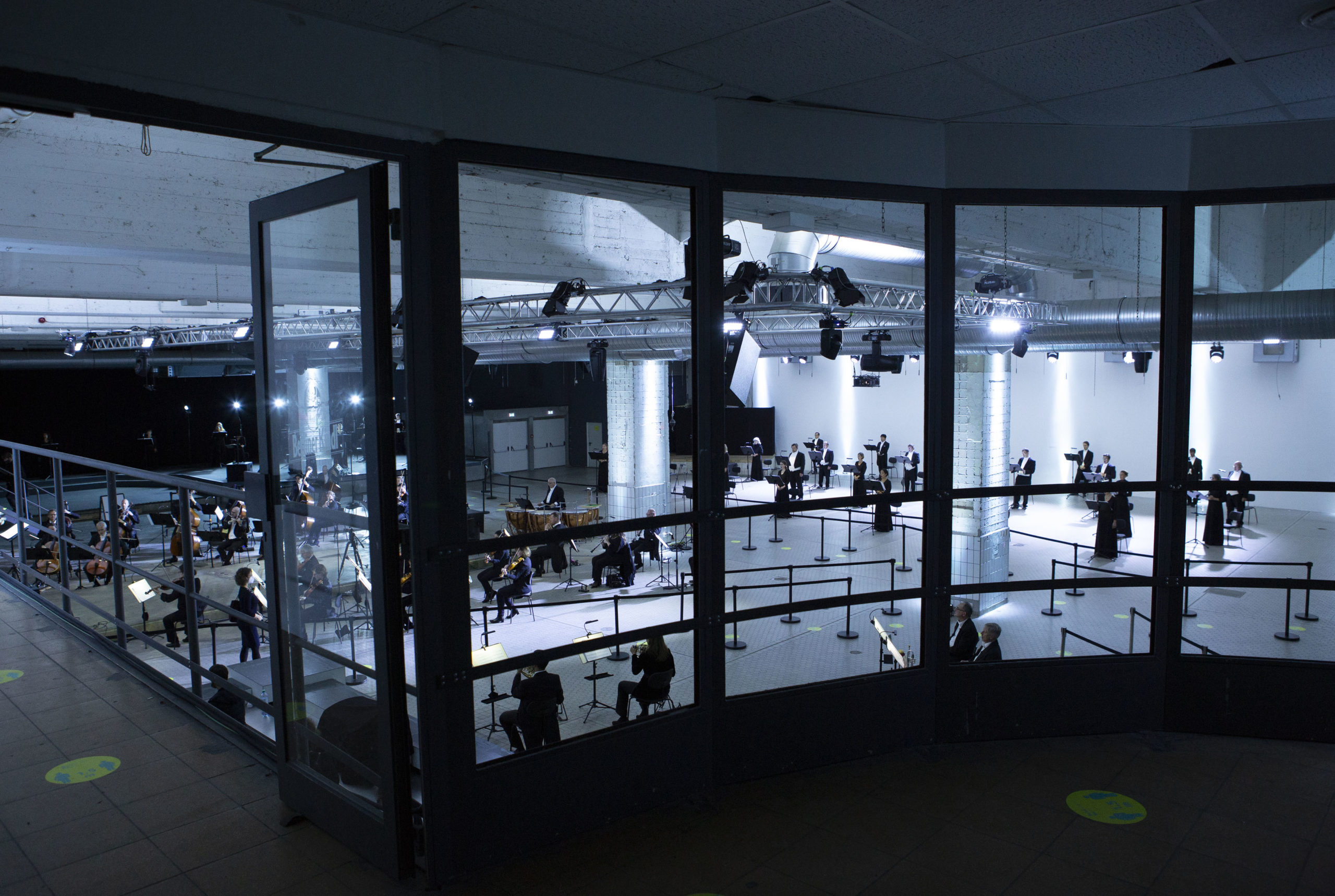
Taking on artistic responsibility for my first major project was an incredible experience. I independently prepared a Renaissance repertoire for »THE WORLD TO COME« with a small ensemble of 16 men from the Rundfunkchor, performing it in the foyer of the Vollgutlager. It was such a rewarding collaboration. The challenge came during the joint passages with the choir and orchestra from the larger space. I was watching Gijs Leenaars on a monitor, synchronizing my conducting so I could cue the singers in the foyer, who were performing remotely. They could hardly hear the music from the main hall, so coordinating the various sound sources was a true adventure. At times, I was hearing three or four different ensembles simultaneously, but thankfully, everything came together beautifully. What really struck me about the project was the diverse perspectives and the powerful, unifying message it conveyed.
Do you have any pre-performance rituals? How do you prepare for a concert?
I don’t really have a formal ritual. For me, putting on my concert attire is a kind of transition that helps me focus. Tying my tie, dressing up, and going through my sheet music one last time—those little moments help me shift into the concert mindset. When I conduct, I feel completely in my element. Creating sound with my hands is a very effective way for me to express myself musically. As a result, in the moments leading up to a concert, I mostly feel anticipation, rather than nervousness.
Is conducting the Rundfunkchor Berlin a dream job for you?
Absolutely! Every day, I’m grateful for the opportunity to be in this position. It’s truly a privilege, and I appreciate it deeply.
What kind of music do you enjoy listening to in your free time?
I don’t listen to music very often in my free time. After spending the entire day immersed in music, I need a break for my ears and soul. I tend to read or watch films, which allows me to escape into other worlds. To be honest, I find it hard to enjoy background music, like what you hear in a shopping mall—it tends to annoy me.
Looking ahead to next year: Is there a project you’re particularly excited about?
I’m especially looking forward to projects in collaboration with the Berlin Philharmonic, such as Stravinsky’s »Oedipus Rex« with Kirill Petrenko. I’m very curious to see how the choir will evolve in this collaboration. Petrenko is a fantastic musician and an incredible role model for me, as are many of the other conductors I’ll have the privilege of working with next year.
The variety of projects coming up with the Rundfunkchor Berlin is a huge source of excitement for me, including the multimedia performance »Time Travellers« and the transdisciplinary »human reqiuem«, which I’ll be co-conducting. I can’t wait to dive into all of them.