





Requiem in D minor K 626
for soloists, choir and orchestra
The year is 1791. In Vienna, Wolfgang Amadeus Mozart dies, leaving behind sketches for an unfinished work that will be shrouded in myth for centuries to come: his Requiem. At the same time, some 1,000 kilometres to the west in Paris, the French Revolution is in full swing. Yet the civic freedoms and universal human rights proclaimed there remained hollow words for many – slavery continued unabated, both there and in the United States.
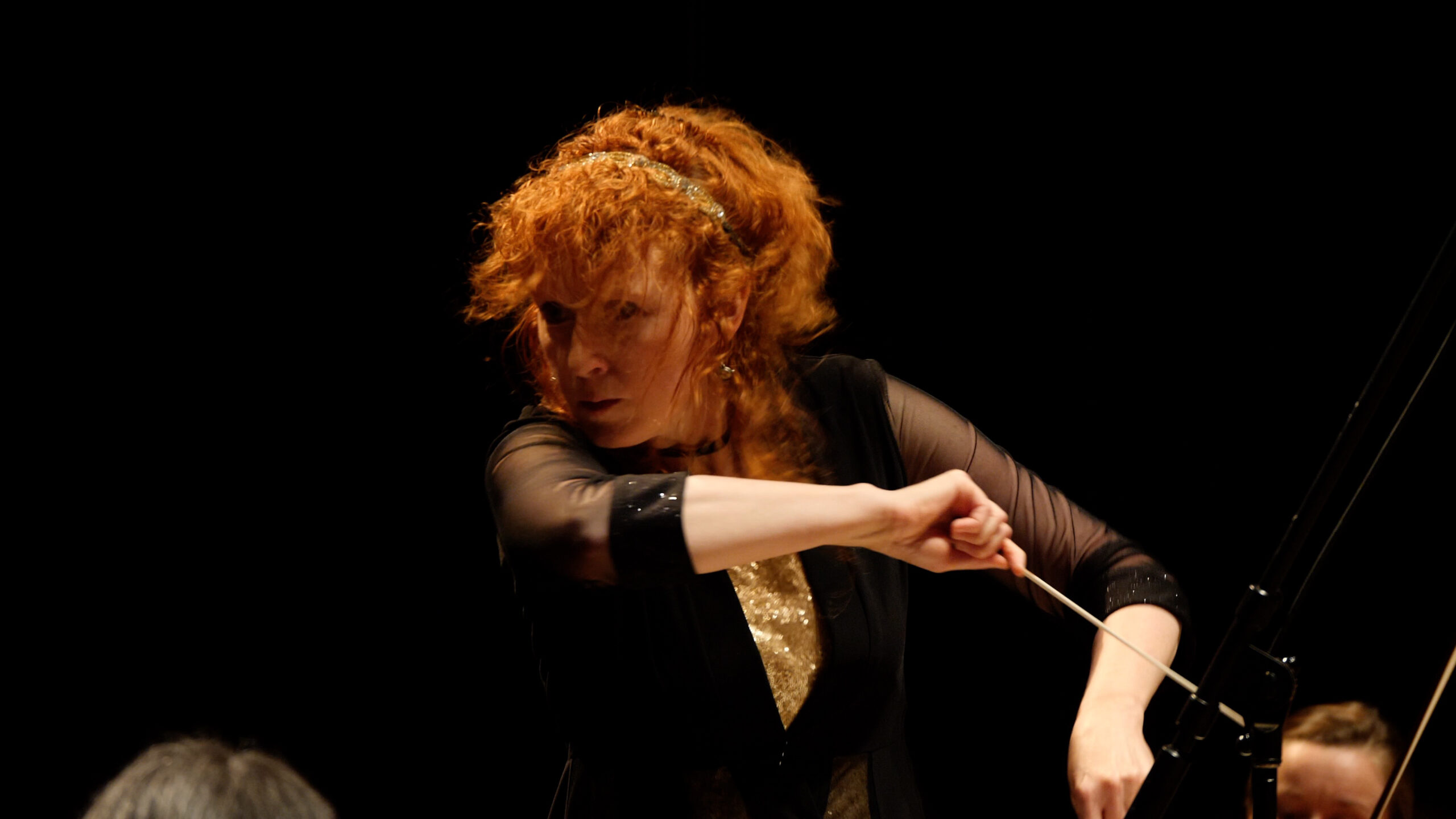
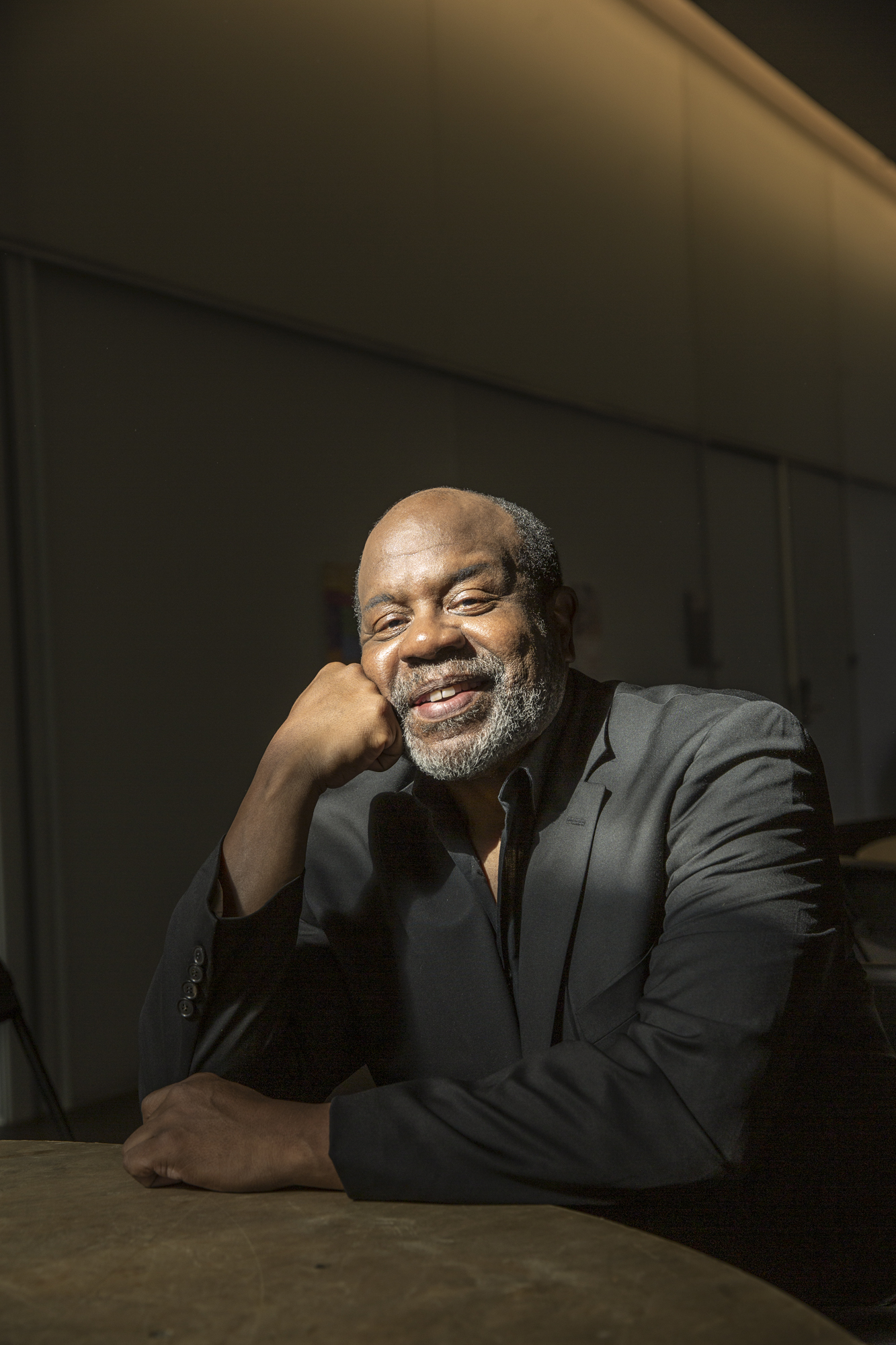
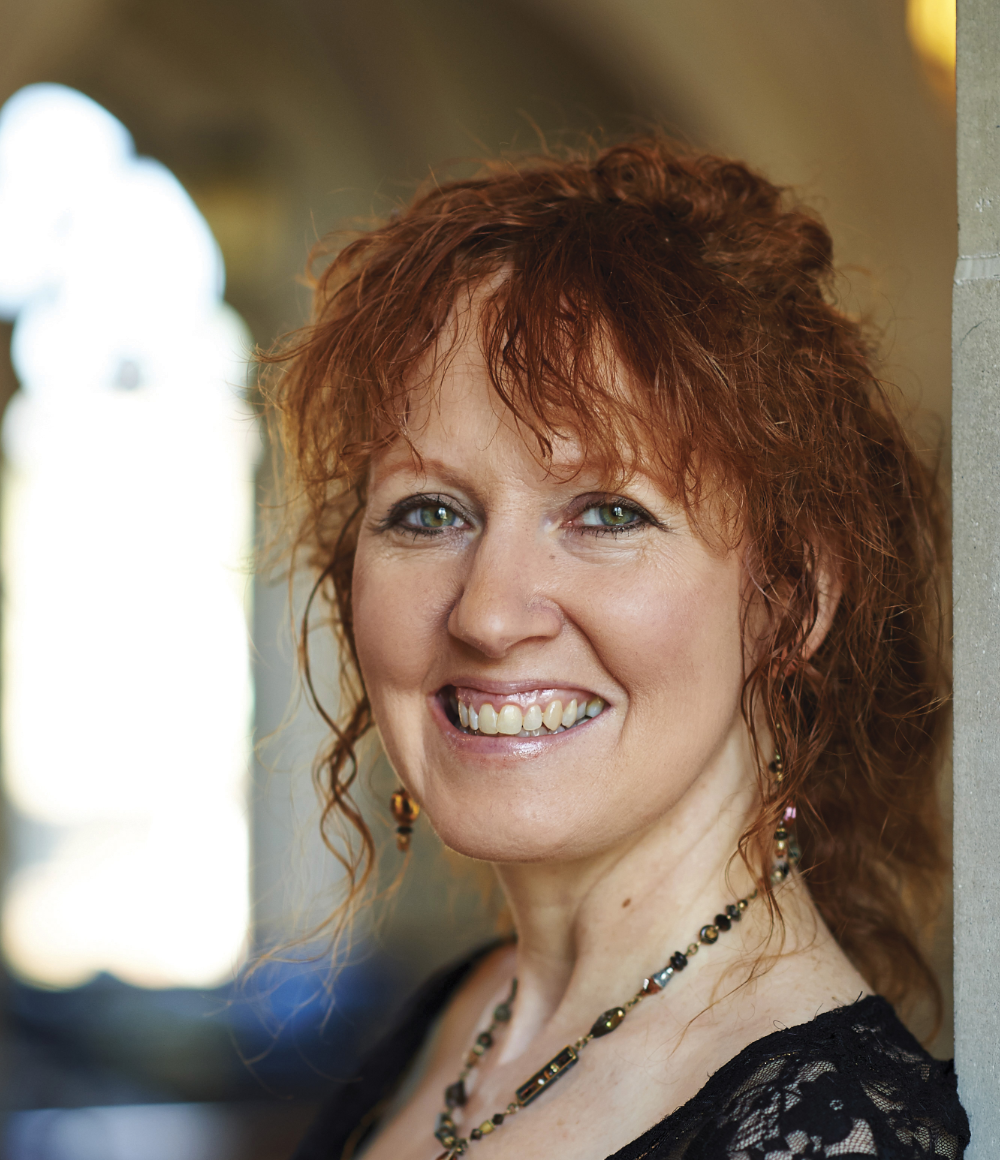
Rather than using the familiar completion of Mozart’s Requiem by his pupil Franz Xaver Süßmayr, conductor Jeannette Sorrell replaces the movements Mozart left unfinished with corresponding sections from Damien Geter’s »An African American Requiem«, in which the composer confronts the history of racism and violence against African Americans. Woven into this reimagined Requiem are Jessie Montgomery’s »Five Freedom Songs,« each based on historical slave songs, Eric Gould’s »1791: Requiem for the Ancestors,« and »Voices of 1791,« a work by Sorrell herself.
The concert will be broadcast live by raddio3/rbb.

Opened in 1963, the Philharmonie Berlin is one of the icons of modern architecture. Architect Hans Scharoun created a completely new form for the concert hall: the 2,250 seats are arranged in different blocks, terraced like a vineyard, around a five-sided orchestra podium. Beneath the hall is the foyer, whose labyrinthine staircases cause even regular visitors to get lost time and again. The unusual silhouette of the building, whose outer shell is clad in golden aluminium panels, can also be explained by its internal layout. The hall is also considered one of the best in the world in terms of acoustics. It is home to the Berliner Philharmoniker, but is also used by other Berlin orchestras and event organisers.
Philharmonie Berlin
Herbert-von-Karajan-Straße 1
10785 Berlin
Deutschland


© Schirmer

Bleiben Sie immer auf dem Laufenden mit aktuellen Terminen, Konzerteinblicken und Interviews